
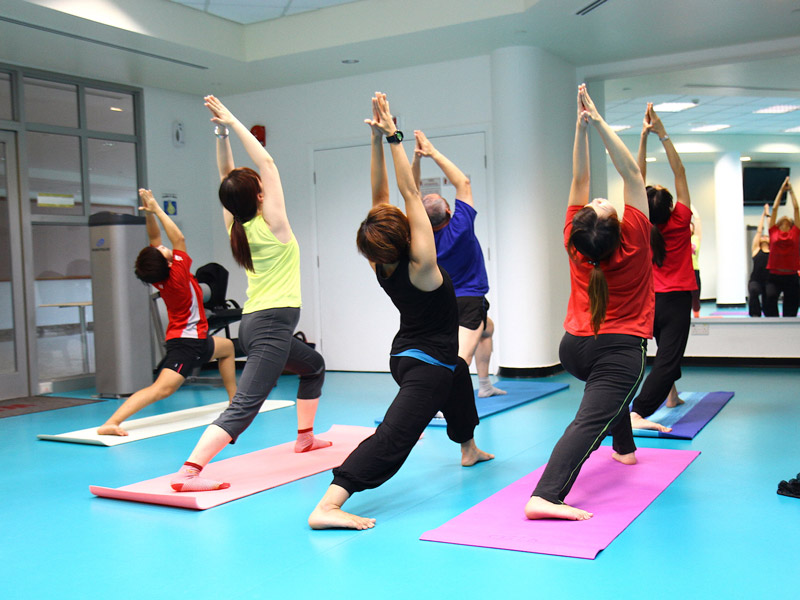

The way people practise yoga has evolved significantly in recent years. Traditionally, yoga required attending in-person sessions guided by an instructor, but today, technology is transforming how students learn, practise, and progress. In Singapore, virtual and AI-driven yoga classes are gaining popularity as more individuals seek flexible, personalised, and tech-enhanced wellness experiences. From real-time streaming sessions to AI-powered posture correction, yoga is entering a new digital era that blends ancient practices with modern innovation.
How Technology is Reshaping Yoga Practice
Technology has changed nearly every aspect of daily life, and fitness is no exception. Yoga, known for its mindful and meditative approach, has embraced technology in ways that make it more accessible and engaging. Virtual platforms and AI-based tools have opened doors for practitioners who may not always be able to attend physical classes.
The shift is driven by several key trends:
-
Remote learning convenience allowing students to join classes from home.
-
AI-powered tracking systems that provide feedback on posture and alignment.
-
Wearable devices that measure breath rate, heart rate, and movement accuracy.
-
Interactive virtual platforms that create a sense of community even at a distance.
These innovations ensure that yoga adapts to modern lifestyles without losing its essence.
Virtual Yoga Classes: Accessibility at Your Fingertips
Virtual yoga sessions have become a practical option for those with busy schedules or who prefer practising in their own space. Online classes can be live-streamed with an instructor or pre-recorded for flexible access.
Advantages of virtual classes include:
-
Time efficiency: No need to commute to a studio.
-
Comfort: Practise in a familiar home environment.
-
Choice: Access to different styles and levels of yoga.
-
Replay options: Revisit sessions for deeper learning.
This format is especially appealing in Singapore, where many people balance demanding careers and family commitments.
The Role of AI in Yoga Instruction
Artificial Intelligence has introduced a new dimension to yoga. AI-powered applications and platforms use sensors, motion capture, or smartphone cameras to analyse poses and provide corrections in real time.
Key benefits of AI in yoga include:
-
Posture correction: Ensures safe alignment and reduces injury risk.
-
Personalised feedback: Tailors advice to the individual’s body and ability.
-
Progress tracking: Measures improvements in flexibility, balance, and strength.
-
Data-driven insights: Offers objective metrics that encourage consistency.
For beginners, AI tools are particularly helpful in building confidence by providing corrections when an instructor is not physically present.
Wearable Technology and Yoga
Wearables such as smartwatches and fitness trackers are increasingly being used in yoga practice. These devices measure important metrics that help practitioners understand the physiological impact of yoga.
Common features include:
-
Monitoring heart rate during postures and meditation.
-
Tracking breathing patterns for pranayama exercises.
-
Measuring calorie expenditure during dynamic sessions.
-
Recording practice duration and frequency.
By offering measurable data, wearables motivate students to stay consistent and push towards health goals.
Building Community Through Virtual Platforms
While yoga is often seen as a personal journey, community remains an important aspect of practice. Virtual platforms now integrate social features such as group challenges, live interactions, and digital forums where practitioners can connect and share progress.
This digital community is especially valuable for individuals who may not feel comfortable in traditional class settings or who live far from a studio. It creates accountability, encouragement, and a shared sense of achievement.
Challenges of Virtual and AI Yoga
Despite the many benefits, technology-driven yoga also presents challenges. Some practitioners may miss the hands-on adjustments and personal energy of in-person classes. There is also the risk of becoming too dependent on devices instead of cultivating mindfulness.
Challenges include:
-
Reduced physical connection: Technology cannot fully replicate the presence of a teacher.
-
Technical limitations: Internet issues or device errors can disrupt sessions.
-
Learning curve: Beginners may need time to adapt to AI platforms.
-
Over-reliance on metrics: Excess focus on numbers can distract from the meditative aspects of yoga.
Balancing the digital and traditional aspects of practice is key to maximising benefits.
The Future of Yoga and Technology
Looking ahead, the fusion of yoga with technology will only deepen. Virtual reality (VR) and augmented reality (AR) are already being explored, offering immersive environments where students can practise in serene landscapes or follow 3D instructors. AI algorithms will continue to improve, providing increasingly accurate corrections and personalised guidance.
For Singapore’s wellness community, this means a broader range of opportunities to practise yoga regardless of time, location, or experience level. The future will likely include hybrid models where people combine in-person studio sessions with virtual and AI-supported practice for maximum flexibility.
Why Traditional Yoga Values Still Matter
Even as yoga adapts to the digital age, its traditional roots remain important. Technology should enhance, not replace, the essence of yoga, which is mindfulness, breath, and inner connection. Practitioners are encouraged to use digital tools as supportive aids while maintaining the holistic principles of yoga.
The Role of Professional Studios
Professional studios continue to play a vital role in maintaining the integrity of yoga practice. While virtual and AI classes provide convenience, attending guided sessions ensures that students receive proper foundation and personalised human attention. In Singapore, places such as Yoga Edition bridge this gap by offering diverse in-studio classes while acknowledging the role of technology in modern practice.
FAQ
Q1. Are AI-powered yoga classes suitable for beginners?
Yes. They are particularly beneficial for beginners as they provide real-time posture corrections and help build confidence outside of physical studios.
Q2. Do virtual yoga classes offer the same benefits as in-person sessions?
They provide similar physical benefits, but the community experience and direct guidance of in-person sessions may be stronger. Many practitioners use both formats.
Q3. Can wearables really improve my yoga practice?
Yes. Wearables provide valuable insights into breathing, heart rate, and progress, which can encourage consistency and motivate personal improvement.
Q4. What are the risks of practising yoga virtually without a teacher?
The main risks include poor posture alignment and lack of immediate correction, which could lead to injury. Using AI platforms or practising simple poses at first can reduce this risk.
Q5. Will virtual and AI yoga replace traditional classes completely?
Unlikely. While technology adds convenience and accessibility, many people will still value the community, guidance, and energy of traditional in-studio sessions.

Comments are closed.