
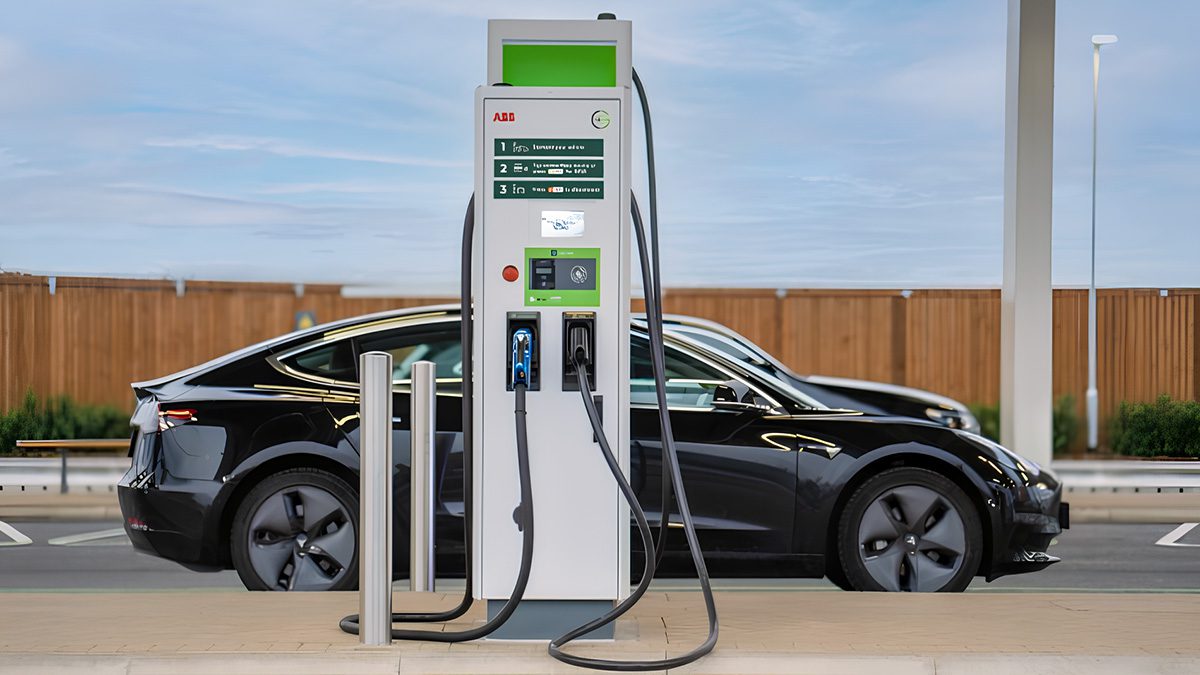

Public EV charging stations are becoming essential to modern transportation as more drivers switch to electric vehicles. Today, public EV charging stations provide the backbone of long-distance travel and urban mobility. As demand grows, public EV charging networks and commercial EV charging stations must expand in both capacity and reach while ensuring that every universal charging point is accessible to all EV models. Stronger layouts for public EV charging stations mean more convenience, better planning, and a smoother EV experience for every driver relying on public EV charging stations.
Accessibility of Public Charging
Accessibility is the foundation of reliable EV infrastructure. Well-distributed public EV charging stations can reduce range anxiety and increase adoption. Modern public EV charging networks are designed to place chargers in malls, parking structures, offices, and major highways. With every new universal charging point added, the usability of public EV charging networks increases dramatically. Many cities are now integrating commercial EV charging stations with public systems so EV owners can use any universal charging point without restrictions. The continued expansion of public EV charging stations and public EV charging networks makes EV ownership more practical for the general public.
Pricing Models Across Networks
Pricing at public EV charging stations varies widely but transparency is improving. Some public EV charging networks bill per kWh, while others use time-based pricing. In most cases, public EV charging stations cost more than home charging, but the convenience and speed make up for it. As competition increases, commercial EV charging stations are aligning prices with public EV charging networks, allowing drivers to easily compare costs at each universal charging point. A well-integrated ecosystem of public EV charging stations offers predictable pricing, and expanding public EV charging networks guarantees that EV users always have access to a reliable universal charging point no matter where they travel.
Future Expansion and Innovation
The next decade will bring massive growth to public EV charging stations and public EV charging networks. Governments are investing heavily to increase the number of universal charging point locations, ensuring compatibility across brands. Collaboration between public operators and commercial EV charging stations is helping create a uniform user experience. Fast-charging technologies will soon be standard across all public EV charging stations, and smarter public EV charging networks will optimize energy use. Every new universal charging point improves access, making public EV charging stations more dependable for the growing EV population.
Conclusion
Public EV charging stations are essential to the future of transportation. Strong public EV charging networks, universal access through every universal charging point, and the growing role of commercial EV charging stations will make EV ownership simpler and more sustainable. With consistent investment, public EV charging stations will evolve into a seamless, accessible, and affordable nationwide charging ecosystem.

Comments are closed.