
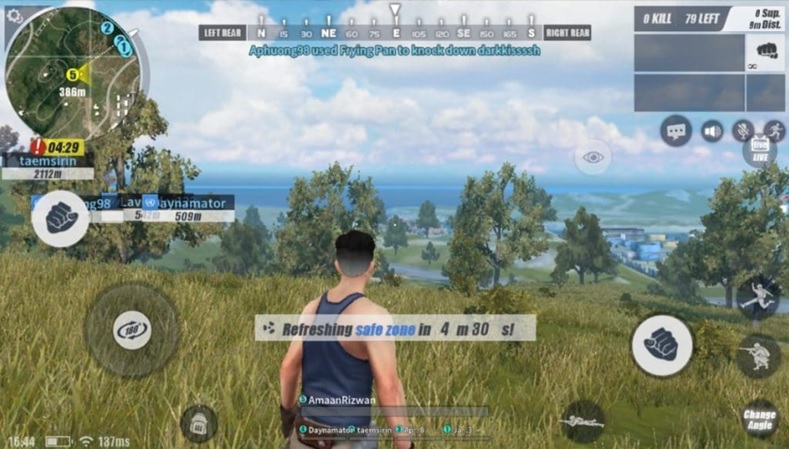

Gamers do not always play a game to win. Yes, winning is an important fundamental; however, straightforward gameplay with minimal challenges is not something avid gamers enjoy. They return to the game primarily because their initial efforts helped them level up and progress.
Progress in any game is directly linked to engagement. This trend becomes more evident in action, especially in gun games, where results are determined in an instant. When progress is visible, the player begins to see purpose in every session. That purpose gradually turns into commitment.
When the system reflects the player’s efforts, the player feels part of the in-game journey. This connection between progress and engagement is more intense in gun game formats, since each stage requires investment (in terms of time and the storyline).
In this blog, we will discuss how the progression system works in action-focused multiplayer games.
Why Progression Shapes Player Behaviour?
The progression roadmap determines how a player approaches each match. When progress is tied to action and performance, the player becomes more attentive and prioritises in-game decision-making. In simple terms, basic improvements matter more than final results. For example, BGMI players track their progress through survival points, performance-based rewards and tier movement rather than just single match wins.
Action-oriented games compel players to master timing and judgment. When the improvement results in visible progress, the player starts playing with purpose. With time, randomness is substituted by intention. The latter is the start of long-term engagement.
How Does the Progression System Work in Action-Focused Game Formats?
Action-based games, like gun games, follow a unique progression pattern. The player moves through different stages based on performance. Each stage introduces a new challenge that requires adjustment. Here is how progression works in action games:
- The player learns to handle diverse weapons through repeated exposure.
- Every victory builds confidence and momentum.
- The final stages require a more precise focus than the earlier ones, as more skilled opponents survive till the end.
- Victory is associated with adaptation to in-game conditions, not just luck.
What Makes Progression Feel Real for Players?
The gaming experience is significantly enhanced when gamers can track their progress and unlock new levels over time. Players begin to value systems that grow in a clear and comprehensible way. The following are some ways that make progression feel real for players:
- Rewards do not come as a chance but as a result of consistent work.
- The performance trends indicate improvement across various sessions.
- Short-term objectives help players identify long-term goals.
- The visual indicators help players monitor their personal progress.
These aspects make a game more user-friendly. The player begins to focus on improvement rather than solely on results.
Final Thought
Players remain loyal to games that respect their effort. Action-focused formats succeed because they reward every match with experience points. Even minor improvements play a vital role in shaping the next stage of the journey.
When the in-game system acknowledges a player’s intent, they are bound to return with purpose, not just to compete but to evolve and improve.

Comments are closed.