
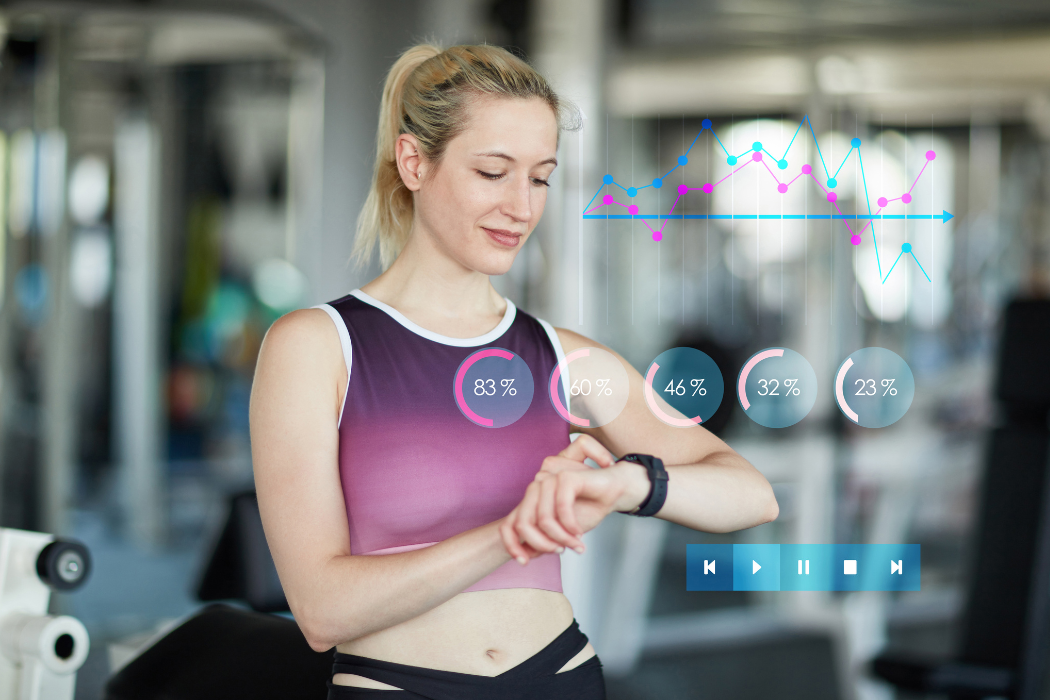
Best Gym Singapore in the Age of Wearables, How Smart Tracking and Training Data Can Improve Results Without Obsession

If you are searching for the best gym singapore choice today, you are not only choosing equipment and facilities, you are also choosing how you will train in a world where everything can be tracked. Watches measure heart rate and recovery, phones count steps, apps estimate calories, and some gyms offer body composition scans or performance tracking. For many people in Singapore, this is both exciting and confusing. Data can make training feel more precise, but it can also create anxiety when numbers fluctuate. The real opportunity is learning how to use technology as a guide without becoming dependent on it.
When used well, wearables and training data can help you stay consistent, avoid burnout, and get better results with less guesswork. When used poorly, they can make you second-guess every workout, chase arbitrary goals, and feel like you are failing even when you are improving. The goal is not to track everything. The goal is to track what matters, interpret it correctly, and keep your focus on real progress.
Later in your routine, once you want a stable place to train and apply a consistent plan, you might also consider True Fitness Singapore because consistency is what gives your data meaning. Tracking is only useful when your routine is steady enough to reveal patterns over time.
Why technology is changing how people train in Singapore
Singapore is a high-efficiency culture. People like measurable progress, clear systems, and simple routines. Wearables fit that mindset. They can help you answer practical questions that many people struggle with:
Am I training hard enough to improve?
Am I training too hard to recover properly?
Is my daily activity supporting fat loss, or am I mostly sedentary outside the gym?
Am I sleeping well enough to make my training effective?
The problem is that many people treat wearable data as absolute truth. Most wearables are helpful, but they are not perfect. Heart rate can be affected by hydration, caffeine, stress, and heat. Sleep tracking is an estimate, not a diagnosis. Calories burned are often rough guesses. If you expect perfect accuracy, you will be disappointed. If you use data as a directional tool, it becomes powerful.
The most useful metrics for gym results, and why most people track the wrong ones
Many people track weight daily, steps occasionally, and heart rate during workouts, then they wonder why progress feels unclear. A better approach is to track fewer things, but track them consistently.
Metric 1, training progression
If your goal includes strength, health, or body recomposition, your best metric is simple, are you gradually getting stronger? That can mean lifting slightly heavier, doing more reps with the same weight, or improving form with the same load.
Progression is one of the clearest signs your body is adapting. It is also a strong motivator because it is within your control.
Metric 2, weekly movement, not just workouts
In Singapore, many people train three times a week but sit the rest of the time. Your wearable can help you see the truth. It is common to discover that outside the gym, movement is very low. That affects energy, recovery, and fat loss.
A steady baseline of daily movement can make gym results come faster, without needing to add more intense workouts.
Metric 3, sleep consistency
Sleep quality matters, but sleep consistency matters more than people think. Sleeping at wildly different times can reduce recovery even if the total hours look fine. Wearables can help highlight patterns, like late nights after stressful days, or poor sleep after late caffeine.
If you want your training to feel easier, stabilising sleep timing is often the fastest win.
Metric 4, resting heart rate trends
Resting heart rate is not the only health marker, but it is a useful trend. When your fitness improves, resting heart rate often improves too. It can also spike during stress, illness, or poor recovery. You do not need to panic over a single day. You look for trends across weeks.
Heart rate zones, how to use them without overcomplicating training
Heart rate zones are one of the most useful wearable features, but also one of the most misunderstood. Many people assume they must train in a certain zone to “burn fat”. In reality, fat loss depends on overall energy balance, and heart rate zones are more useful for managing recovery and training intensity.
Zone 2, why it is popular and why it works
Zone 2 is usually described as a steady, conversational pace. It is not easy, but it is manageable. It supports cardiovascular fitness, recovery, and stress regulation. For busy adults in Singapore who are already stressed, this can be the best type of cardio to do consistently because it does not destroy you.
High-intensity work, when it is helpful
Intervals and higher-intensity cardio can improve fitness quickly, but it also demands more recovery. If your sleep is poor and your work stress is high, doing intense cardio too often can backfire. Wearables can help you notice that pattern when your resting heart rate stays elevated and your sleep trends worsen.
The smarter approach is to treat high intensity as a tool, not a lifestyle. Do it when you can recover well, not when you are already running on empty.
Steps and daily movement, the Singapore reality check
One of the biggest benefits of a wearable is that it shows how sedentary modern life can be. You might train hard for 60 minutes, but if you spend the rest of the day sitting, your overall movement is still low.
This matters for fat loss, because daily movement contributes significantly to your weekly calorie burn. It also matters for energy and mood, because movement affects circulation, stiffness, and stress.
Instead of chasing a trendy step number, the better approach is to create a realistic baseline you can maintain, then increase gradually. If your typical day is very low activity, even small improvements in daily steps can change your results.
Body composition tracking, what to trust and what to ignore
Some gyms and devices provide body composition scans. People like them because they feel more advanced than a weighing scale. The truth is, these readings can be useful as a trend, but they are not perfectly accurate.
Hydration, salt intake, menstrual cycle, and time of day can shift results. If you use these scans, treat them like a monthly trend tool, not a weekly judgement of success.
A more reliable way to track body changes is combining a few simple markers, how clothes fit, waist measurement, progress photos taken consistently, and strength progression. Technology can help, but it should not replace common sense.
Recovery scores, readiness, and why “low readiness” is not failure
Many wearables give you a recovery or readiness score. People either ignore it completely or become obsessed. The correct approach is somewhere in the middle.
A low readiness score does not mean you must skip training. It means you should adjust. If you planned a hard workout, you might choose a moderate one instead. If you planned a long cardio session, you might choose a shorter one and prioritise mobility.
This is where technology becomes practical. It helps you train with your real-life energy, not your idealised plan.
Using data to prevent burnout, the most underrated benefit
In Singapore, burnout is common. People are tired, but they keep pushing because they think pushing is discipline. Wearables can be helpful because they reveal signs of poor recovery early.
If your resting heart rate trend is higher than usual, your sleep is consistently shorter, and you feel more irritable, your body is already telling you something. Technology can reinforce that message in a way that is harder to ignore.
The best training plan is not the hardest plan. It is the plan you can repeat for months. Data can help you build that plan.
How to build a simple tracking system that supports gym progress
A good system is simple enough to maintain. If it takes too much effort, you will stop. If it is too complex, you will overthink.
A practical system for many gym-goers is:
You track strength progression in your workouts, you monitor daily movement as a baseline, and you pay attention to sleep consistency. Everything else is optional.
The reason this works is because it covers the big levers. Strength progression shows adaptation, movement supports energy balance and recovery, sleep consistency supports recovery and mood. If those improve, your fitness improves.
What to do when your data looks “bad” but you feel fine
Sometimes your wearable will show a poor score, but you feel okay. Sometimes it will show a good score, but you feel terrible. This is normal. Wearables are tools, not truth.
When data and your body disagree, your body wins. The wearable is a helpful second opinion, not the final judgement.
Over time, you will learn your patterns. You will notice what your sleep score looks like on weeks when you feel strong. You will notice what your resting heart rate does when you are stressed. This is how technology becomes personal, not generic.
FAQ
Q: Do I need a smartwatch or wearable to get good gym results?
A: No. You can get excellent results without any wearable. Technology is optional. It can help with awareness and consistency, but the foundation is still regular training, sensible nutrition, and recovery.
Q: Are calorie burn estimates on wearables accurate?
A: They are usually rough estimates. They can be useful for comparing your own activities over time, but they should not be treated as precise numbers. It is better to use them as direction, not exact accounting.
Q: What is the best metric to track if I want fat loss?
A: A combination works best. Waist measurement trends, how clothes fit, and weekly weight trends are usually more useful than daily scale readings. Wearables can help by tracking movement and supporting consistency, but fat loss still comes from a sustainable calorie balance.
Q: Why does my heart rate spike more on some days even with the same workout?
A: Heart rate can be affected by hydration, caffeine, stress, sleep, heat, and even how you breathe. A single workout reading is not a verdict. Look at patterns over time.
Q: Are sleep tracking scores reliable?
A: They are estimates and can be useful for spotting trends, like consistently short sleep or irregular timing. They are not medical tools. If you have serious sleep issues, it is best to consult a healthcare professional.
Q: What should I do if my readiness score is low but I do not want to miss training?
A: Adjust intensity instead of skipping completely. You can do a lighter strength session, lower-impact cardio, or a mobility-focused workout. The habit remains, and you still support recovery.
Q: Is Zone 2 cardio really important, or is it just a trend?
A: It is useful because it builds aerobic fitness and supports recovery with less stress on the body. Many busy adults find it sustainable. It is not mandatory, but it is often a good fit for people managing work stress and inconsistent sleep.
Q: How can I stop obsessing over my wearable data?
A: Limit what you track. Pick one to three metrics that support your goal and ignore the rest. Treat the wearable as a guide, not a scorecard. If data makes you anxious, take breaks from tracking and focus on how you feel and perform.

Comments are closed.