
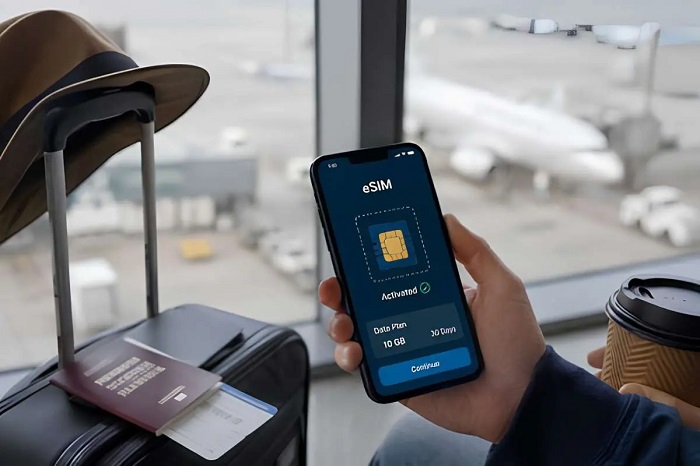

Almost every international traveler shares a familiar memory of digital disorientation: stepping off a long-haul flight into a crowded terminal, eager to arrange transportation or confirm lodging details, only to face an immediate dilemma. For years, the choices were equally unappealing. You either surrendered to exorbitant daily roaming fees from your domestic carrier or embarked on a scavenger hunt through the arrivals concourse. Securing a local connection meant queuing at a retail booth, navigating language barriers, handing over a passport for manual scanning, and gingerly ejecting a microscopic plastic tray with a bent paperclip or earring post. Drop that tiny piece of silicon onto a busy terminal floor, and your domestic phone number was lost for the duration of the trip.
That logistical headache is rapidly fading from modern travel. The transition from physical subscriber identity modules to embedded SIM technology represents one of the most practical upgrades in contemporary consumer electronics. By shifting cellular identity from fragile hardware to programmable software, eSIM technology has transformed international connectivity from a stressful chore into an invisible background utility that activates before your plane even reaches the gate.
Demystifying the Technology: How Embedded Modules Work
An embedded SIM is not a radically different cellular network; it is a permanent hardware upgrade. Rather than relying on a removable plastic card that must be physically handled, an eSIM consists of an ultra-compact chip soldered directly onto the device’s motherboard during manufacturing. This microchip adheres to universal GSMA standards, enabling it to securely store multiple carrier profiles and receive network configurations over the air through remote provisioning protocols.
From an engineering perspective, discarding the traditional physical SIM tray reclaims precious internal real estate inside modern smartphones. Device makers use this reclaimed space to expand battery capacity, house more advanced camera sensors, and dramatically improve structural protection against water and dust intrusion.
For the traveler, however, the real breakthrough is operational. Your phone’s network identity is no longer tied to an object that must be manufactured, shipped, and manually slotted into place. Instead, it is a secure digital credential that can be purchased, downloaded, and toggled on demand.
Eradicating Terminal Bottlenecks and Arrival Anxiety
The most immediate benefit of an embedded SIM profile appears the moment you land in a foreign country. In the past, the gap between touchdown and securing local connectivity was fraught with practical vulnerabilities. Attempting to navigate foreign public transit, communicate with vacation rental hosts, or verify unfamiliar currencies without an active internet connection creates needless friction after hours of exhausting travel.
With digital profiles, connectivity becomes a proactive step rather than an arrival emergency. Travelers can research, purchase, and install foreign data packages days or weeks before heading to the airport. Through digital marketplaces and local carrier platforms, you simply select your destination, purchase a package, and download the profile by scanning a setup code or using an application.
Once your plane touches down and the flight crew permits personal electronics, your handset connects directly to a local partner network. By the time you step off the jet bridge, your navigation is active, ride-hailing services are ready, and you can confirm your arrival with family without hunting for airport Wi-Fi networks that often require convoluted authentication portals.
Dual-SIM Architecture and the End of Roaming Bill Shock
Before digital profiles became widespread, roaming horror stories were a staple of international travel. Travelers frequently returned home to unexpected bills totaling hundreds or even thousands of dollars simply because background applications continued refreshing data across foreign cellular borders.
Modern smartphones solve this problem through Dual SIM Dual Standby (DSDS) capabilities. This architecture allows two distinct phone connections to run simultaneously on a single handset. Travelers can keep their primary domestic line active exclusively for incoming voice calls and urgent messages while directing all heavy data usage through an affordable, prepaid local travel profile.
This dual setup offers two distinct practical advantages:
-
Preserving essential account security: Crucial financial services, credit card transaction verifications, and enterprise workplace portals frequently require multi-factor authentication codes delivered via SMS to your primary phone number. Keeping your domestic line active on standby ensures you never find yourself locked out of your bank account while overseas.
-
Predictable, capped expenditures: Travel data packages operate on straightforward prepaid structures. If you purchase a five-gigabyte or ten-gigabyte data bundle for a vacation, your financial commitment is settled upfront. There are no automated overage charges, ambiguous international rate tiers, or recurring billing traps.
Seamless Border Crossing Across Multi-Country Itineraries
For itineraries that cover multiple nations in a single journey—such as traveling through Europe by rail or exploring several countries in Southeast Asia—the benefits multiply. Previously, crossing an international border meant repeating the entire physical purchasing process in every single country. Today, regional digital profiles cover whole continents under a single installation. Your phone hops transparently between domestic partner networks as you cross borders, preserving continuous navigation and communication without requiring new contracts or manual reconfigurations.
Practical Considerations and Technical Realities
While the advantages of software-based connectivity are significant, maximizing the technology requires an understanding of a few mechanical prerequisites. Preparing ahead of time prevents avoidable disruptions during your journey.
The most critical requirement is confirming your smartphone’s carrier lock status. If a handset was purchased through a carrier on a multi-year payment plan, the provider may keep the device locked to its proprietary network until the balance is fully cleared. A carrier-locked phone will reject third-party travel profiles outright. Reaching out to your domestic provider to confirm that your phone is fully unlocked is a necessary step before making international travel arrangements.
Additionally, travelers must understand that the vast majority of international travel profiles are data-only profiles. They supply full high-speed data access for web browsing, maps, translation apps, and internet-based messaging platforms like WhatsApp or FaceTime, but they rarely include a traditional local phone number. If your itinerary involves calling local landlines to book excursions or using local delivery services that require a native telephone number, you will need to utilize voice-over-IP software or select hybrid plans that explicitly include cellular voice minutes.
The Expanding Footprint of Borderless Travel
The utility of digital profiles extends far beyond personal phones. The same technology is now standard across cellular smartwatches, tablets, lightweight laptops, and portable hotspot units. For remote professionals and frequent flyers, this allows an entire travel workspace to stay connected across borders without managing a pocket full of plastic chips and removal pins.
As international telecommunication standards continue to mature, transferring digital profiles between devices during an upgrade or replacing a lost handset while overseas is becoming faster and more secure. What started as an obscure technical feature for frequent business flyers has grown into an essential element of modern travel planning.
International journeys will always involve unpredictable moments, cultural adjustments, and spontaneous changes of plan. However, the days of relying on a fragile plastic chip to maintain contact with the world are firmly behind us. By treating cellular access as flexible software rather than disposable hardware, travelers gain the freedom to cross borders with confidence, total budget clarity, and immediate access to the digital tools that make modern exploration possible.

Comments are closed.